

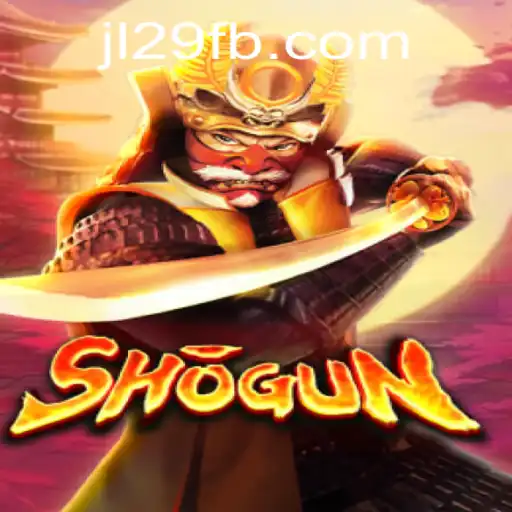

Explore the engaging world of Shogun, a strategy game set in feudal Japan, where players assume the roles of Daimyos, aiming to conquer territories and achieve domination. Learn about the game's intricate rules and strategic depth, and discover its relevance in today's gaming landscape.
Introduction to Shogun
In the world of strategy games, Shogun stands out as a captivating exploration of historical themes combined with intricate gameplay mechanics. Set against the backdrop of feudal Japan, Shogun immerses players in a period where warring Daimyos vie for control, power, and ultimately, the title of Shogun. This game is not just a battle for territories but a test of strategic planning, resource management, and diplomatic prowess.
Thematic Setting
The epoch in which Shogun is set is fascinatingly tumultuous, offering a rich tapestry of cultural and historical narratives. During the Sengoku period, the land was fractured, with various provinces controlled by different feudal lords, each striving to expand their dominion. The game captures this essence, providing players with a sieve through which to experience historical Japan's political intricacies.
Game Mechanics and Objectives
At the heart of Shogun lies a well-crafted balance of mechanics that require both tactical prowess and strategic foresight. Players assume the roles of Daimyos, each starting with a base province and a few loyal troops. The objective is straightforward yet challenging: secure enough territories, resources, and alliances to declare oneself as the unchallenged Shogun of Japan.
Players must manage their provinces efficiently, balancing the needs for military expansion with the welfare and stability of their controlled regions. This involves gathering resources, strengthening defenses, recruiting armies, and forging alliances or rivalries with other players.
Resource Management
Resources are a critical aspect of Shogun, akin to lifelines in the journey to supremacy. Players must judiciously allocate their resources between military expenditures, province development, and economic stability. This balance is crucial to ensure that one does not stretch their territories too thin, risking rebellion or invasion.
Strategic Combat System
Combat in Shogun is a richly layered affair that combines elements of risk assessment and tactical deployment. Battles are not just won through sheer force but through strategic positioning and exploiting the strengths and weaknesses of various unit types. The game employs a unique system that requires players to decide the best time to engage in combat and the optimal use of their forces. Whether using a 'divide and conquer' approach or opting for direct assaults, players must make calculated decisions to outmaneuver their opponents.
Diplomacy and Alliances
Diplomacy plays a pivotal role in Shogun, adding a layer of political intrigue to the game's narrative. Forming alliances with other players can provide significant advantages but also requires trust and strategic transparency. Players must navigate these relationships carefully, balancing cooperation with the ever-present possibility of betrayal.
Relevance in Contemporary Gaming
In recent years, strategy games like Shogun have seen a resurgence in popularity, buoyed by a growing interest in historically themed games and the strategic depth they offer. Shogun, with its intricate design and rich thematic elements, feeds into this appetite, offering players an immersive experience that challenges their strategic thinking.
Moreover, the current gaming landscape is marked by a blend of technological advancements and renewed focus on storytelling, making games like Shogun relevant to both traditional gamers and new audiences. Its detailed mechanics and historical setting offer an engaging counterpoint to fast-paced action games, providing an alternative that prioritizes strategy and narrative depth over instant gratification.
Engagement with Modern Audiences
As global events continue to shape the world, Shogun resonates with modern audiences through its exploration of leadership, conflict resolution, and cultural legacy. The game's ability to serve as a reflective mirror on modern socio-political dynamics has contributed to its ongoing relevance and appeal.
The integration of online platforms, like JL29.COM, has further expanded Shogun's reach, enabling a broader audience to engage with the game on digital arenas. This platform not only supports gameplay but fosters a community where strategies are discussed, and experiences shared, reinforcing Shogun's status as a seminal strategy game in the digital age.
Conclusion
Shogun remains a testament to the enduring appeal of strategy games which involve historical themes, complex logistics, and strategic depth. By merging historically inspired narratives with modern gaming mechanics, Shogun continues to offer an engaging and challenging experience for gamers worldwide, ensuring its place within both the gaming community and the broader discourse on strategic and cultural gameplay.